Door stuck locked after self-clean?
Oven Repair in Clarence Center, NY
When the oven stops heating, dinner plans stop with it, and holidays seem to be when it happens most. Call +1-855-394-3377 and the dispatch line connects you with an independent oven repair pro in Clarence Center who carries bake elements, igniters and temperature sensors on the truck.
- Cold oven, slow preheat, burnt bottoms or a door locked after self-clean
- The quote comes after testing and before any part goes in
- Electric, gas, convection, double wall ovens and range ovens
Why Choose Our Specialized Oven Repair in Clarence Center, NY
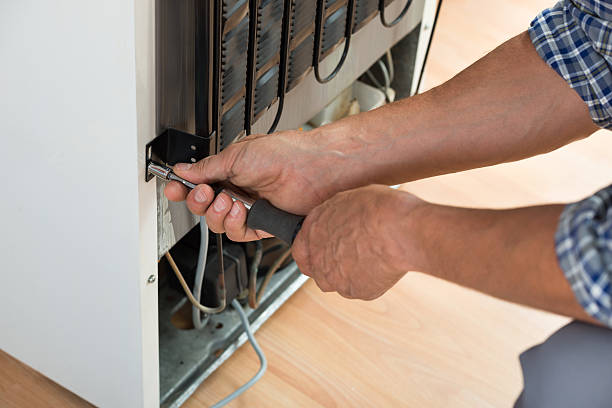
Ovens have a habit of failing at the worst moment, usually with a full pan ready to go in. What you need is someone who finds the fault on the first visit and tells you plainly what it costs.
Licensed and insured independent pros
The line routes you to independent local oven contractors with their own insurance, licensed where NY calls for it. Gas work deserves a tech who leak tests every fitting they touch, and it is fair to ask about that on the phone.
Upfront pricing after diagnosis
Testing comes first, then a clear quote, and nothing gets installed until you approve it. On a wall oven with a failed control board, you should also hear how that price compares to replacing the unit.
Dispatch timed around your meal
Oven calls before holidays and weekend dinners get steered toward the soonest open slot in Clarence Center. Same-day slots are common, depending on contractor availability.
Meters, probes and gas test gear
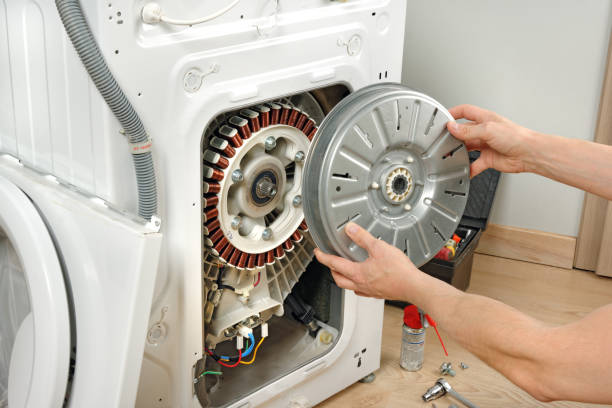
Oven work calls for a multimeter, an amp clamp to read igniter draw, a calibrated temperature probe, and combustible gas detection for gas models. The independent pros on this line carry that kit.
- Turn the oven off at the control and leave the door closed
- Write down any F-code or error number on the display
- Smell gas? Leave the house and call the gas utility first
The Oven Repair Calls Clarence Center Kitchens Make Most
An oven is a simple machine at heart: something makes heat, something measures it, and a control decides when to switch. Here is where the independent pros look first.
Bake or broil element burned out
A failed bake element often shows it: a blistered spot, a split in the sheath, or a bright flash and pop the last time it was on. The tech checks the element for continuity and resistance, usually somewhere around 20 to 40 ohms on a healthy one, then inspects the terminal wires for heat damage. A broil element that glows only on one end gets the same tests.
Gas oven igniter glows but no flame
On most gas ovens the hot surface igniter, often called a glow bar, also opens the safety valve. It has to pull enough current to heat the bimetal strip inside the valve. A weak igniter can glow bright orange and still never let gas through, which is why the oven sits there glowing and cold. An amp clamp reading on the igniter circuit settles it, since most valves need roughly 3 amps or more to open.
Uneven baking and calibration drift
If cookies burn on the bottom and stay pale on top, or recipes need 15 extra minutes, the oven is not holding the temperature it shows. The pro checks the oven temperature sensor, an RTD probe that should read near 1,100 ohms at room temperature and rise steadily as it heats. An oven running 25 to 50 degrees off can often be corrected with a calibration offset in the control rather than a new part.
Door locked after a self-clean cycle
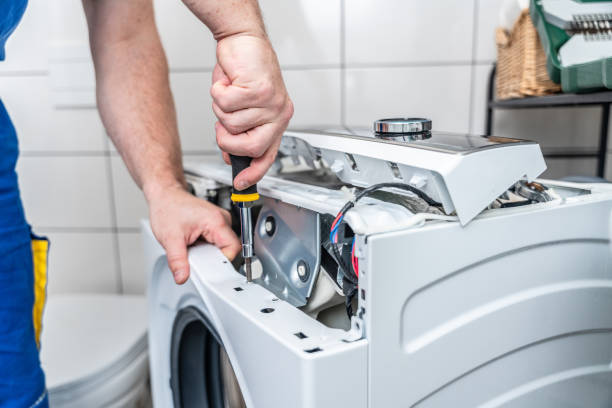
The self-clean cycle pushes oven temperature close to 900 degrees, which is when weak parts give up. The two most common results are a door lock motor stuck in the locked position and a blown thermal fuse that kills the whole oven. The pro checks continuity on the thermal fuse and lock switch, cycles the lock motor, and releases the door properly instead of prying it.
Convection fan noisy or not spinning
Squealing from the back wall, or convection mode baking no faster than regular bake, points to the convection fan motor or its heating ring. The pro pulls the back panel, checks the fan blade and motor bearings, and meters the convection element if the model has one.
Error codes, dead touchpads and door seals
An F-code is the control telling you which circuit it does not trust, whether that is the sensor, the lock, or the keypad. A good tech treats the code as a starting point, checks the wiring and sensors behind it, and only then condemns the board or keypad. Worn door hinges and torn door gaskets get checked on the same visit, since heat escaping around the door makes every bake run long.
Oven quit with dinner already planned? Call now for a slot.
Tell the dispatcher whether it is gas or electric, the model number, and what the oven is doing. The line connects you with an independent oven pro serving Clarence Center.
How the Oven Repair Process Works in Clarence Center
A single phone call gets the whole thing moving.
Call dispatch
Call +1-855-394-3377 and say what you see: no heat, uneven baking, a locked door or an error code. The dispatcher pairs you with an available independent oven pro.
Rapid mobile arrival
The independent tech arrives with the parts behind most oven calls: bake and broil elements, igniters, temperature sensors and thermal fuses.
Expert assessment and quote
The pro meters the heat source and sensor, reads any codes, and quotes the repair before installing anything.
Repair, test and confirm
After the repair, the tech runs a full bake cycle and checks the cavity temperature with a probe against the setpoint. Ask about the contractor's own parts and labor warranty.
Oven Repair Stories From Clarence Center Kitchens
Two days before Thanksgiving our gas oven would glow and never light. I called the number and they found a local tech who came out the next morning. He checked the igniter with a meter, said it was drawing too little current to open the valve, and replaced it on the spot. The turkey came out fine.
My oven was running hot and everything burned on the bottom. The tech tested the temperature sensor, found it reading way off, and swapped it. He also showed me how to check the oven with a cheap thermometer. Quoted the price first, no surprises.
I ran self-clean and the door stayed locked for a whole day. The pro explained the lock motor had stuck and the thermal fuse had blown too. He freed the door without bending anything and had both parts with him.
I bake cakes to order from my home kitchen, and the lower oven of my double wall unit kept throwing an error code mid-bake. The tech traced it to a burned wire at the sensor connector, not the control board I had been told I needed. That visit kept my orders on schedule.
Common Oven Repair Questions in Clarence Center
Oven giving you trouble right now?
Tell dispatch what the oven is doing and get connected with an independent oven pro in Clarence Center.
Call +1-855-394-3377Why does my gas oven igniter glow but the oven never lights?
Aging glow bar igniters lose amperage over time, so they look like they work while the valve stays closed. It is one of the most common gas oven repairs and usually done in one visit once the amp draw is confirmed.
How do I know if my oven temperature is off?
Set the oven to 350 with an oven thermometer on the middle rack and read it several times over 20 to 30 minutes, since the temperature swings as it cycles. If the average is more than 25 degrees off, a sensor test or calibration adjustment is worth booking.
My oven door will not unlock after self-clean. What should I do?
First let the oven cool fully, which can take an hour or more, then switch the power off at the breaker for a few minutes to reset the control. If that does not release it, do not pry the door. A stuck lock motor or failed switch needs a proper repair.
Is it worth repairing an older oven or range?
In most cases it is, because the common failures like elements, igniters and sensors are not expensive parts. The decision gets harder with a failed control board on an older built-in, so ask for the full price and weigh it against replacement.
Can I still use the stovetop if the oven stopped working?
In most cases, yes, since the burners and the oven use separate controls. The exception is a blown thermal fuse or main control fault, which can shut down the whole range on some models.
What should I do if I smell gas near my oven?
Get everyone out, leave switches and appliances alone, and call the gas company or emergency line from outside the home. Once the utility has made it safe, call the dispatch line to have an independent pro inspect the valve, regulator and connections.
Oven Repair Help Throughout Clarence Center and Surrounding Areas
Oven calls from Clarence Center and nearby neighborhoods are sent to independent contractors who work close by, which keeps drive times short when a dinner deadline is approaching.
Freestanding ranges, slide-in models, single and double wall ovens, and the ovens in rental units all get the same approach: test the element, igniter or sensor first, quote second, repair after you agree. Zip codes and nearby cities served are listed below.
- Electric ranges
- Gas ranges
- Single and double wall ovens
- Convection ovens
- Self-clean lockouts
- Rental property kitchens